
As the days get shorter and winter settles into Minnesota, it is not unusual to notice changes in your mood, energy, or daily routine. Between limited daylight, colder temperatures, and spending more time indoors, the winter months can bring challenges that affect more than just your schedule. Maybe getting out of bed feels harder, you have less interest in seeing friends, or activities you normally enjoy no longer sound appealing.
While some changes are a natural response to the colder months, persistent shifts in mood and energy may be signs of something more.
Seasonal affective disorder (SAD) is a form of depression that follows a recurring seasonal pattern. It most commonly begins in the fall or winter and improves during the spring and summer months (National Institute of Mental Health (NIMH), 2023). Unlike a temporary dislike of winter, SAD can interfere with work, relationships, and everyday responsibilities.
Recognizing the difference between a seasonal slump and depression can help you understand what you are experiencing and when it may be time to seek support.
Why Seasonal Depression in Minnesota Deserves Attention

Winter-pattern SAD is more common among people who live farther north, where daylight hours are shorter during the winter months (NIMH, 2023). For Minnesotans, these seasonal changes can be especially noticeable, but living in a northern climate does not automatically mean someone will experience SAD.
Researchers are still studying the causes of seasonal affective disorder, including how changes in daylight may affect the body's internal clock and biological processes involved in regulating sleep and mood (Schofield et al., 2024).
It is also important to distinguish seasonal depression from holiday stress. Family gatherings, financial pressures, and changes in routine can affect mental health, but SAD follows a recurring seasonal pattern rather than being defined by holiday-related stress alone (NIMH, 2023).
Signs of Seasonal Affective Disorder: More Than Feeling Sad
Depression does not always look the way people expect. While persistent sadness is a common symptom, seasonal affective disorder can also affect energy, motivation, sleep, appetite, and concentration. Some people may become more irritable, withdraw from others, or have difficulty keeping up with everyday responsibilities.
Common symptoms of winter-pattern SAD include:
Changes in mood: Persistent feelings of sadness, emptiness, hopelessness, or unusual irritability.
Loss of interest: Less enjoyment in hobbies, social activities, relationships, or things that typically bring you happiness.
Changes in sleep and energy: Sleeping more than usual, struggling to get out of bed, or experiencing ongoing fatigue.
Changes in appetite: Increased appetite, cravings for carbohydrates, or unplanned weight gain.
Social withdrawal and difficulty concentrating: Avoiding friends and family, losing interest in social activities, or having trouble focusing and making decisions.
These symptoms can gradually affect different areas of your life. You might start canceling plans because you feel too tired, fall behind on responsibilities because concentrating is difficult, or spend more time alone without realizing how much your routine has changed.
Changes in social behavior can also affect relationships. When you are struggling with low energy or motivation, even spending time with people you care about can feel overwhelming. You may begin declining invitations, responding to messages less often, or pulling away from your usual support system.
Maintaining connections does not have to mean keeping the same social schedule throughout the winter. A phone call, a conversation with someone you trust, or making time for an activity you enjoy together can be manageable ways to stay connected.
The difference between the winter blues and SAD often comes down to the severity of symptoms and how much they interfere with daily functioning (Schofield et al., 2024). Rather than asking yourself whether you dislike winter, consider whether your mood, relationships, routines, and ability to manage everyday responsibilities have changed in ways that concern you.
When to Get Help for Seasonal Depression
It can be tempting to wait for warmer weather and hope that your mood improves on its own. However, when changes in your mental health begin interfering with everyday life, waiting until spring may mean going months without the support you need.
You do not have to be certain that you have seasonal affective disorder before talking with a mental health professional. One important indicator of depression is a persistently low mood that lasts most of the day, nearly every day, for at least two weeks. This may occur alongside changes in sleep, appetite, energy, or interest in activities (NIMH, 2023).
Clinicians also look for a recurring pattern of depressive episodes during a particular season over at least two consecutive years when identifying SAD (NIMH, 2023). However, you do not need to experience multiple winters of symptoms before reaching out for care. If symptoms are severe, worsening, or affecting your safety, seek help sooner.
If you are experiencing thoughts of suicide or significant emotional distress, call or text 988 to reach the Suicide & Crisis Lifeline. If you are in immediate danger or experiencing a life-threatening emergency, call 911.
Understanding Your Symptoms: What Happens During an Evaluation?
Recognizing a seasonal pattern is a helpful starting point, but understanding the full picture is important before determining the right approach to care.
During an evaluation, a provider may ask about your symptoms, personal and family health history, previous experiences with depression, and how your mental health changes throughout the year. They may also consider other possible explanations, including physical health conditions such as thyroid problems (Mayo Clinic Staff, 2021).
Before your appointment, consider writing down when symptoms started, whether you experienced similar changes during previous winters, how they affect your daily life, and which medications or supplements you currently take. Having this information available can help make the conversation more productive.
At Agape Health & Wellness, a diagnostic assessment includes a review of current concerns, relevant history, strengths, and challenges. This information helps guide individualized treatment recommendations based on each person's needs. You can start the conversation without already knowing which diagnosis or treatment approach is right for you.
Treatment Options for Seasonal Depression
Seasonal affective disorder is treatable, and several approaches may help manage symptoms. Depending on individual needs, treatment may include psychotherapy, light therapy, medication, or a combination of these options (NIMH, 2023).
The right approach depends on factors such as symptom severity, personal health history, previous treatment experiences, and individual goals.
Therapy and Coping Skills
Therapy can help people better understand their symptoms, recognize patterns in their thoughts and behaviors, and develop strategies for managing depression.
One approach specifically used for seasonal affective disorder is cognitive behavioral therapy adapted for SAD (CBT-SAD). This structured form of therapy focuses on addressing unhelpful seasonal thought patterns and increasing engagement in meaningful activities, particularly when depression makes it difficult to stay involved in everyday life (NIMH, 2023).
Agape offers individual therapy and cognitive behavioral therapy as part of its mental health services. A provider can help determine which therapeutic approach may be appropriate based on your symptoms and goals.
Light Therapy
Light therapy is another treatment option commonly used for winter-pattern SAD. It involves using a specially designed bright light box to provide exposure to light that may help address seasonal changes affecting the body's internal clock (NIMH, 2023).
A regular desk lamp or household light is not equivalent to a therapeutic light box. Before purchasing one, talk with a health care provider about the type of device, timing, and appropriate use. Light therapy may also require additional consideration for people with bipolar disorder, certain eye conditions, or medications that increase sensitivity to light (Mayo Clinic Staff, 2021; NIMH, 2023).
Medication and Ongoing Care
For some individuals, medication may be an important part of managing seasonal depression. Antidepressants can help reduce depressive symptoms and may be used alone or alongside therapy, depending on individual circumstances (NIMH, 2023).
Agape's medication management services include prescribing when appropriate, monitoring progress, and coordinating care. Ongoing communication with your provider helps ensure that treatment recommendations continue to reflect your needs.
If you are interested in learning more about how different approaches can work together, explore How Medication and Therapy Work Together for Better Mental Health Outcomes.
Never start, stop, or change medication without first discussing it with your prescribing provider.
Everyday Habits That Can Support Your Mental Health
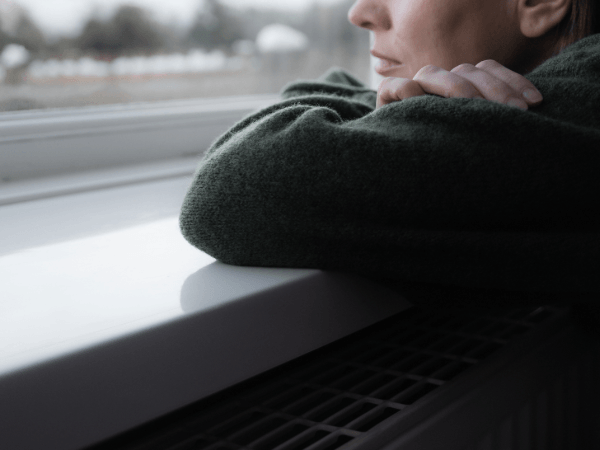
Professional treatment is an important part of managing seasonal depression, but the routines you maintain outside of appointments can also support your overall well-being.
When energy and motivation are low, even small tasks can feel overwhelming. Instead of trying to change everything at once, focus on a few manageable habits:
Make time for daylight: Open your curtains during the day and spend time outdoors when weather and conditions allow.
Keep a consistent sleep schedule: Aim for regular bedtimes and wake-up times to help maintain a routine.
Find manageable ways to stay active: Include physical activity that works with your health, abilities, and energy level.
Stay connected with others: Make plans with supportive friends or family members, even when you do not feel particularly motivated to socialize.
(Mayo Clinic Staff, 2021; Schofield et al., 2024)
These habits are meant to complement treatment, not replace it. Struggling to maintain a routine does not mean you are not trying hard enough. Start with what feels manageable and build from there. The goal is to create routines and connections that support your well-being throughout the season, not to eliminate every difficult day.
Finding Mental Health Support in Coon Rapids, Minnesota
Seasonal changes can affect more than your mood. When depression begins interfering with your relationships, responsibilities, or ability to enjoy everyday life, it is worth taking those changes seriously.
You do not have to determine whether you need therapy, medication, or another form of treatment before reaching out. A conversation with a mental health professional can help you better understand what you are experiencing and identify an appropriate next step.
Agape Health & Wellness provides adult mental health services in Minnesota, including diagnostic assessments, individual therapy, psychiatric care, and medication management. Treatment recommendations are based on each individual's concerns, history, and goals.
Our clinic is located at 330 Northdale Blvd., Coon Rapids, MN 55448. To learn more about available services or discuss getting started, contact our intake team at (763) 231-1497 or visit our contact page.
You do not have to wait until winter feels unbearable to ask for help. Understanding what is affecting your mental health is a meaningful first step toward finding support that works for you.
This article provides general education and is not a diagnosis or an individualized treatment plan. A qualified health care professional can help you determine what is appropriate for your situation.
References
Mayo Clinic Staff. (2021, December 14). Seasonal affective disorder (SAD): Diagnosis & treatment. Mayo Clinic. Read the clinical overview.
National Institute of Mental Health. (2023). Seasonal affective disorder (NIH Publication No. 23-MH-8138). U.S. Department of Health and Human Services, National Institutes of Health. Read the NIMH publication.
Schofield, K., Roche, A., & Sawchuk, C. (2024, November 18). Getting ahead of seasonal affective disorder. Mayo Clinic. Read the Minnesota clinicians' guidance.
